Identification
Distinguish vacancy, decay, construction and poor maintenance.
区分空置、衰败、建设与维护不足

CASE STUDY / 案例研究
街景影像、空间失序与城市转型
A street-level case connecting urban transition in China’s rust belt with evidence of vacancy, decay, poor maintenance and changing spatial quality.
从街道尺度观察中国锈带城市转型,将空置、衰败、维护不足与空间品质变化联系起来。
EVIDENCE / 研究证据
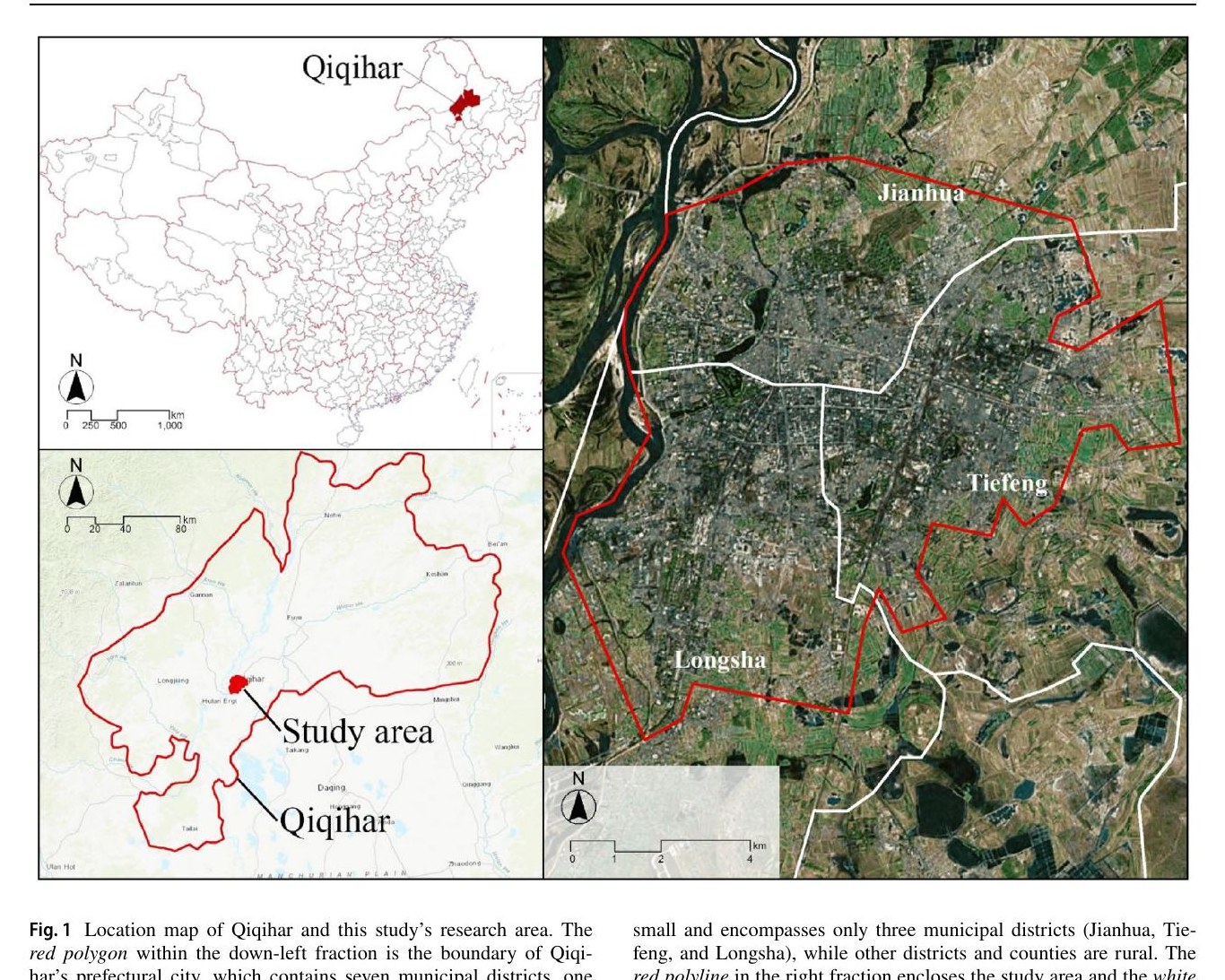
The 2025 study sampled 4,852 Tencent street-view images in Qiqihar and audited them with a checklist of 13 physical-disorder items. It connects fine-grained visual evidence to questions of decline, maintenance and planning response.
2025年的研究抽取齐齐哈尔4,852张腾讯街景影像,并以13项空间失序要素进行审计,把细粒度视觉证据与城市衰败、维护和规划回应联系起来。
CHANGE OVER TIME / 时序变化
Repeated street-view evidence distinguishes good quality, vacancy and decay, construction and poor maintenance, making different trajectories visible at the human scale.
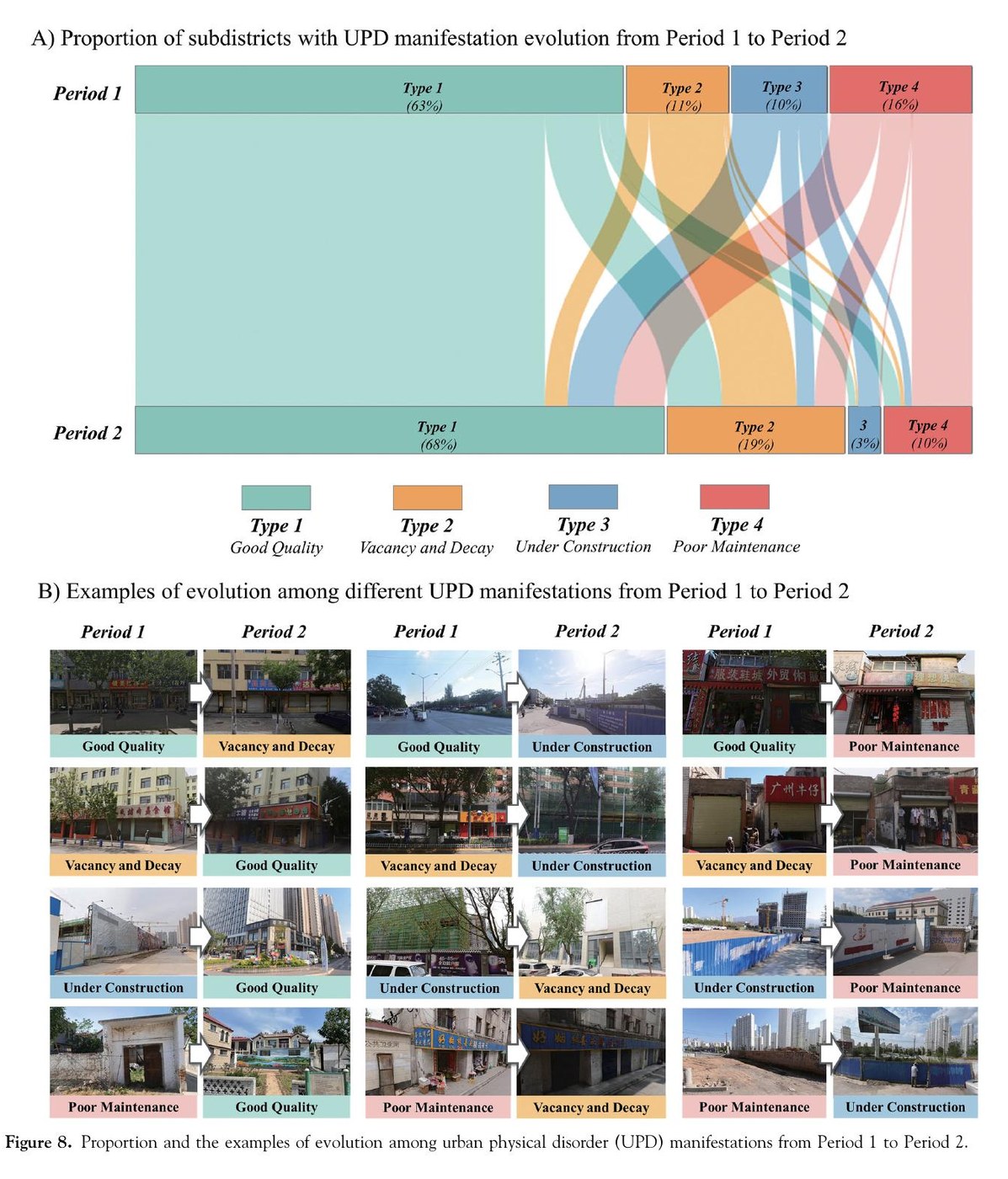
Distinguish vacancy, decay, construction and poor maintenance.
区分空置、衰败、建设与维护不足Compare audited items with how observers perceive disorder.
比较客观审计要素与观察者感知Read street conditions alongside neighbourhood and urban context.
把街道状况放回社区与城市语境Identify where maintenance, reuse and careful renewal matter most.
识别维护、再利用与谨慎更新的重点PUBLIC PAPERS / 公开论文
齐齐哈尔案例论文,按时间倒序
Identification, perception and interpretation through 4,852 Tencent street-view images in Qiqihar.
基于4,852张腾讯街景影像识别、感知与解释齐齐哈尔街道空间失序 · 下载PDF2018 · URBANISM AND ARCHITECTURE / 城市建筑Li Zhi and Ying Long compare street-space quality in central Qiqihar between 2013 and 2015.
李智、龙瀛:基于动态街景图片识别的收缩城市街道空间品质变化分析——以齐齐哈尔为例 · 下载PDF